

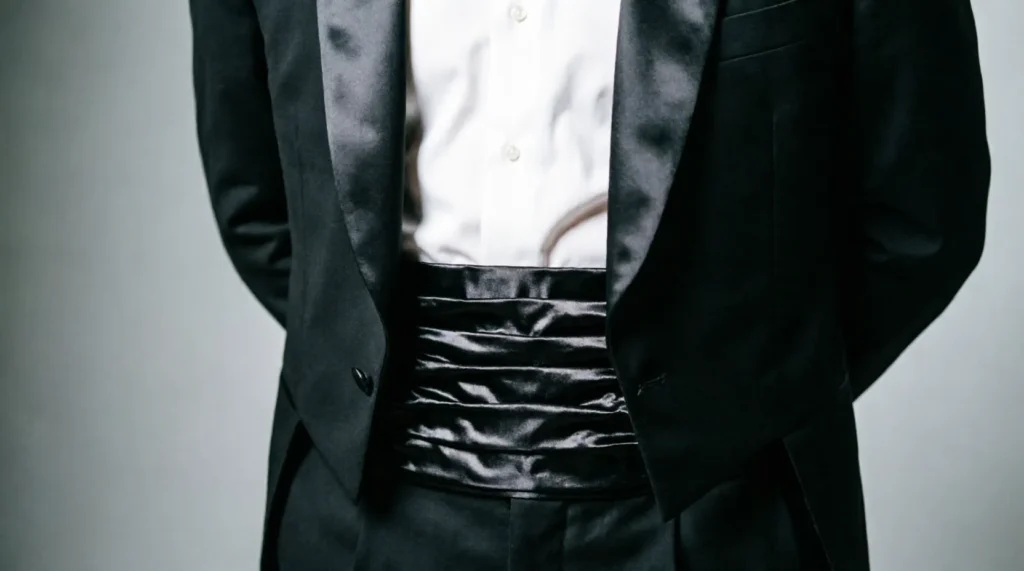
Quick answer: Both a cummerbund and a waistcoat are acceptable for black tie events, but a cummerbund is the more traditional and common choice with a dinner jacket, while a waistcoat offers a slightly different formal aesthetic. Choose based on personal preference, comfort, and the specific formality of the event.
The black tie dress code can feel intimidating, especially when you’re standing in front of your mirror trying to decide between a cummerbund and a waistcoat. Both are correct, both are formal, and both will keep you looking sharp—but they serve slightly different purposes and create different silhouettes. Understanding the distinction helps you make a confident choice that matches the event’s tone and your personal style.
| Term | Meaning / When to use | Example sentence |
|---|---|---|
| Cummerbund | A wide, pleated sash worn around the waist with a dinner jacket; the traditional black tie standard that covers the waistband of your trousers | “He adjusted his black silk cummerbund before heading to the gala, ensuring the pleats faced upward as tradition dictates.” |
| Waistcoat | A formal vest worn under the dinner jacket as an alternative to a cummerbund; acceptable for black tie but slightly less traditional | “For his wedding, James chose a midnight blue waistcoat instead of a cummerbund to create a more layered, distinguished look.” |
When to Use a Cummerbund
A cummerbund is the classic, time-tested choice for black tie events. This pleated waist sash originated in British colonial India and became standard evening wear in the Western world by the late 19th century. According to Wikipedia’s entry on cummerbunds, the pleats traditionally face upward because they were originally designed to store ticket stubs and small items at the theater—a practical detail that evolved into formal convention.
Choose a cummerbund when:
- You’re attending a traditional black tie gala, wedding, or formal dinner
- You want to adhere to the most conventional interpretation of the dress code
- You prefer a sleek, uninterrupted line from chest to waist
- The event specifies “black tie” without additional modifiers
The cummerbund creates a clean, horizontal band across your midsection that visually separates your dinner jacket from your trousers. This traditional piece should always match your bow tie in both color and fabric—black silk or satin for standard black tie events.
Real-world example: I reviewed a groomsman’s outfit last month where he’d paired his midnight blue dinner jacket with a charcoal cummerbund. I told him, “Your cummerbund needs to match your bow tie exactly—swap it for black silk, or you’ll look mismatched in every photograph.” He made the change, and the result was polished and cohesive.
Another example: A client once emailed me asking, “Is it okay to wear my grandfather’s burgundy cummerbund to a black tie wedding?” My response was firm: “Unless the invitation specifies ‘creative black tie’ or the wedding has a specific color theme, stick with black. Traditional black tie means black cummerbund and black bow tie—no exceptions.”
When to Use a Waistcoat
A waistcoat offers a sophisticated alternative to the cummerbund for black tie occasions. This three-piece suit component provides more coverage and creates a different visual proportion than the cummerbund’s single horizontal band. The Wikipedia article on waistcoats notes that formal waistcoats for evening wear are typically cut lower than daytime waistcoats and are designed to be worn with the bottom button left undone.
Choose a waistcoat when:
- You want extra warmth or coverage at a winter wedding or outdoor event
- You prefer the look of a three-piece ensemble over a two-piece with sash
- The event leans toward “black tie optional” or “formal” rather than strict traditional black tie
- You’re self-conscious about your shirt front showing between jacket lapels
A black tie waistcoat should be black or midnight blue, made from the same fabric as your dinner jacket or in complementary silk or satin. Unlike daytime waistcoats, evening waistcoats typically have a lower cut and may feature satin or grosgrain facing on the front panels.
Real-world example: Last winter, I helped a groom prepare for his December wedding. He said, “I’m worried about being cold during the outdoor photos—should I skip the cummerbund?” I advised, “Wear a black silk waistcoat instead. It’ll keep you warmer, look incredibly sharp, and still meet the black tie requirement.” The waistcoat added warmth without sacrificing elegance.
Another example: A young professional texted me before his first black tie charity gala: “My dinner jacket fits perfectly, but my shirt keeps bunching at the waist. Should I get a cummerbund?” I responded, “Try a low-cut black waistcoat first—it’ll keep your shirt smooth, give you a more structured silhouette, and you can wear it with other suits later. It’s more versatile than a cummerbund.”
How to Remember the Difference
Here’s a simple memory trick that I’ve used with countless clients: Cummerbund = Band, Waistcoat = Vest.
The cummerbund is essentially a decorative band that wraps around your waist—think of it as a wide belt made of silk. It’s minimal, traditional, and creates one clean horizontal line. The word itself hints at its function: it binds or bands your midsection.
The waistcoat, on the other hand, is a full vest that covers your entire torso front. It’s more substantial, provides more coverage, and creates a layered look. If you can picture a three-piece suit, you’re picturing a waistcoat.
Another helpful distinction: Cummerbunds are exclusive to formal evening wear, while waistcoats can be dressed up or down depending on the fabric and styling. If you’re ever uncertain at a black tie event, the cummerbund is the safer, more traditional bet.
Here’s a practical tip from years of editing formal wear guides: When in doubt, match your choice to the jacket lapels. Peak lapels and traditional black wool dinner jackets pair most naturally with cummerbunds. Shawl collar jackets in velvet or midnight blue often look stunning with either option, but a waistcoat can enhance the luxurious feel of these less traditional fabrics.
Common Mistakes and Exceptions
The most frequent error I see? Wearing a cummerbund and waistcoat together. Never do this. They serve the same purpose—covering your waistband and shirt front—and wearing both creates a cluttered, amateurish look. Choose one or the other, never both.
Another common mistake involves color coordination. Your cummerbund or waistcoat must match your bow tie in both color and fabric. I once photographed a wedding where the best man wore a black silk cummerbund with a black wool bow tie. The mismatch was glaring in every photo. The textures need to align—silk with silk, satin with satin.
US vs. UK differences: While both countries accept cummerbunds and waistcoats for black tie, British formal wear tradition leans more heavily toward the cummerbund as the default choice. American black tie has become slightly more flexible, with waistcoats gaining acceptance, particularly at weddings. However, for ultra-traditional events in either country, the cummerbund remains the gold standard.
The “black tie optional” exception: When an invitation reads “black tie optional,” you have more freedom to choose a waistcoat, particularly in colors beyond black. However, for strict “black tie” events, stick with black or midnight blue only.
Temperature considerations: Here’s something many men don’t consider—cummerbunds can actually be warmer than waistcoats because they trap heat against your midsection without the breathability of a vest’s back panel. If you’re attending a black tie event in a hot climate or summer venue, a lightweight waistcoat might actually be more comfortable despite providing more coverage.
The fit mistake: A cummerbund should fit snugly but not tightly—it should cover your waistband completely without creating bulges. A waistcoat must lie flat against your torso without pulling or gaping. I’ve seen too many men wear cummerbunds two sizes too large, creating an unflattering sag, or waistcoats so tight they can’t sit comfortably. Both pieces require proper tailoring.
Frequently Asked Questions
Can I wear a cummerbund with a regular suit instead of a dinner jacket?
No. A cummerbund is exclusively for black tie attire with a proper dinner jacket (tuxedo). Wearing one with a business suit creates a confusing, inappropriate look that suggests you’re trying too hard without understanding formal dress codes.
Do I need suspenders (braces) if I’m wearing a cummerbund or waistcoat?
Yes, you should always wear suspenders with black tie trousers, regardless of whether you choose a cummerbund or waistcoat. The cummerbund or waistcoat covers the suspenders completely, but they’re necessary to maintain the proper drape and fit of your trousers. Belt loops on formal trousers are considered a faux pas in traditional black tie.
What if the wedding invitation says “black tie preferred” instead of “black tie”?
“Black tie preferred” gives you slightly more flexibility than strict “black tie,” but you should still aim for traditional formal wear. Both cummerbund and waistcoat remain appropriate choices. However, this language suggests the hosts understand not everyone owns formal wear, so if you must choose between a dark suit with a waistcoat versus renting a proper tuxedo, the latter is still strongly encouraged.
Can women wear cummerbunds or waistcoats to black tie events?
Women’s black tie attire is more flexible than men’s, but waistcoats have become increasingly popular in women’s formal fashion as an alternative to traditional gowns. A well-tailored formal waistcoat with matching trousers can be an elegant black tie choice for women. Cummerbunds are rarely worn by women in Western formal wear, though they may appear in fusion or culturally specific formal attire.

Brandon Martinez is a passionate linguist with a deep love for the dynamics of the English language. He earned his Ph.D. in Applied Linguistics from Stanford University, where he focused his research on cognitive linguistics and language processing. With a career spanning over 12 years, Brandon has dedicated himself to understanding how people choose and use words in specific contexts. His connection to word comparisons was forged through years of teaching English as a second language and witnessing firsthand the challenges non-native speakers face with verbage. At WordChoiceHub, Brandon produces content that delves into the psychological factors affecting word choice, offering readers valuable strategies to enhance their linguistic precision. He specializes in exploring idiomatic expressions, phrasal verbs, and the cultural nuances that influence English word usage. His articles are well-researched and offer unique perspectives that appeal to both academic audiences and those looking to improve their everyday communication skills. Brandon is committed to making the art of word selection not only informative but also an enjoyable experience for all.